%20%20--%3E%0A%3Csvg%20version%3D%221.1%22%20xmlns%3D%22http%3A%2F%2Fwww.w3.org%2F2000%2Fsvg%22%20xmlns%3Axlink%3D%22http%3A%2F%2Fwww.w3.org%2F1999%2Fxlink%22%20x%3D%220px%22%20y%3D%220px%22%0A%09%20viewBox%3D%220%200%201264.4%20200%22%20style%3D%22enable-background%3Anew%200%200%201264.4%20200%3B%22%20xml%3Aspace%3D%22preserve%22%3E%0A%3Cstyle%20type%3D%22text%2Fcss%22%3E%0A%09.st0%7Bfill%3A%23231F20%3B%7D%0A%09.st1%7Bfill%3A%230C2340%3B%7D%0A%09.st2%7Bfill%3A%23FA4616%3B%7D%0A%09.st3%7Bfill%3A%23FFFFFF%3B%7D%0A%3C%2Fstyle%3E%0A%3Cg%20id%3D%22Template%22%3E%0A%3C%2Fg%3E%0A%3Cg%20id%3D%22Layer_2%22%3E%0A%09%3Cg%3E%0A%09%09%3Cpath%20class%3D%22st2%22%20d%3D%22M58.4%2C131.6v-23.4l-10.1%2C23.4H29.6l-10.2-23.4v23.4H0V76.7h23.5l16.3%2C34.1L56%2C76.7h22v54.9H58.4z%22%2F%3E%0A%09%09%3Cpath%20class%3D%22st2%22%20d%3D%22M110.6%2C131.6c-3.9%2C0-7.2-0.2-9.9-0.5c-2.7-0.4-4.8-1-6.4-2c-1.6-0.9-2.8-2.3-3.5-4c-0.7-1.7-1.1-3.9-1.1-6.6%0A%09%09%09V89.9c0-2.7%2C0.4-4.9%2C1.1-6.6c0.7-1.7%2C1.9-3.1%2C3.6-4c1.7-1%2C3.8-1.6%2C6.5-2c2.7-0.3%2C5.9-0.5%2C9.8-0.5h27.8c3.9%2C0%2C7.2%2C0.2%2C9.9%2C0.5%0A%09%09%09c2.7%2C0.3%2C4.9%2C1%2C6.5%2C2c1.7%2C1%2C2.8%2C2.3%2C3.6%2C4c0.7%2C1.7%2C1.1%2C3.9%2C1.1%2C6.6v28.6c0%2C2.8-0.4%2C5-1.1%2C6.7c-0.7%2C1.7-1.9%2C3-3.6%2C4%0A%09%09%09c-1.7%2C1-3.8%2C1.6-6.5%2C2c-2.7%2C0.3-6%2C0.5-9.9%2C0.5H110.6z%20M138.7%2C94.4c0-1.4-0.4-2.4-1.2-2.9c-0.8-0.5-2.5-0.8-4.9-0.8h-15.8%0A%09%09%09c-2.3%2C0-3.9%2C0.2-4.8%2C0.7c-0.9%2C0.5-1.3%2C1.5-1.3%2C3v19.5c0%2C1.4%2C0.4%2C2.4%2C1.2%2C2.9c0.8%2C0.6%2C2.4%2C0.8%2C5%2C0.8h15.8c2.4%2C0%2C4.1-0.3%2C4.9-0.8%0A%09%09%09c0.8-0.5%2C1.2-1.5%2C1.2-2.9V94.4z%22%2F%3E%0A%09%09%3Cpath%20class%3D%22st2%22%20d%3D%22M187.7%2C131.6V90.7h-19.9V76.7h60.8v13.9h-19.8v40.9H187.7z%22%2F%3E%0A%09%09%3Cpath%20class%3D%22st2%22%20d%3D%22M257.9%2C131.6c-3.9%2C0-7.2-0.2-9.9-0.5c-2.7-0.4-4.8-1-6.4-2c-1.6-0.9-2.8-2.3-3.5-4c-0.7-1.7-1.1-3.9-1.1-6.6%0A%09%09%09V89.9c0-2.7%2C0.4-4.9%2C1.1-6.6c0.7-1.7%2C1.9-3.1%2C3.6-4c1.7-1%2C3.8-1.6%2C6.5-2s5.9-0.5%2C9.8-0.5h27.8c3.9%2C0%2C7.2%2C0.2%2C9.9%2C0.5%0A%09%09%09c2.7%2C0.3%2C4.9%2C1%2C6.5%2C2c1.7%2C1%2C2.8%2C2.3%2C3.6%2C4c0.7%2C1.7%2C1.1%2C3.9%2C1.1%2C6.6v28.6c0%2C2.8-0.4%2C5-1.1%2C6.7c-0.7%2C1.7-1.9%2C3-3.6%2C4%0A%09%09%09c-1.7%2C1-3.8%2C1.6-6.5%2C2c-2.7%2C0.3-6%2C0.5-9.9%2C0.5H257.9z%20M285.9%2C94.4c0-1.4-0.4-2.4-1.2-2.9c-0.8-0.5-2.5-0.8-4.9-0.8H264%0A%09%09%09c-2.3%2C0-3.9%2C0.2-4.8%2C0.7c-0.9%2C0.5-1.3%2C1.5-1.3%2C3v19.5c0%2C1.4%2C0.4%2C2.4%2C1.2%2C2.9c0.8%2C0.6%2C2.4%2C0.8%2C5%2C0.8h15.8c2.4%2C0%2C4.1-0.3%2C4.9-0.8%0A%09%09%09c0.8-0.5%2C1.2-1.5%2C1.2-2.9V94.4z%22%2F%3E%0A%09%09%3Cpath%20class%3D%22st2%22%20d%3D%22M363.3%2C131.6v-14.9c0-1.3-0.3-2.2-1-2.8c-0.7-0.6-2-0.9-4.1-0.9h-18.8v18.7h-20.9V76.7h46.4%0A%09%09%09c3.9%2C0%2C7.1%2C0.2%2C9.5%2C0.7c2.5%2C0.4%2C4.4%2C1.2%2C5.8%2C2.2c1.4%2C1%2C2.3%2C2.4%2C2.9%2C4c0.5%2C1.7%2C0.8%2C3.7%2C0.8%2C6.2v8.6c0%2C2.4-0.5%2C4.3-1.6%2C5.7%0A%09%09%09c-1.1%2C1.4-2.5%2C2.3-4.3%2C2.8c1.6%2C0.4%2C3%2C1.2%2C4.3%2C2.5c1.3%2C1.3%2C1.9%2C3.1%2C1.9%2C5.3v16.8H363.3z%20M363.3%2C93.9c0-1.1-0.2-1.9-0.7-2.4%0A%09%09%09c-0.5-0.6-1.6-0.8-3.3-0.8h-20v9.7h20c1.8%2C0%2C2.9-0.3%2C3.4-0.9c0.4-0.6%2C0.6-1.6%2C0.6-2.8V93.9z%22%2F%3E%0A%09%09%3Cpath%20class%3D%22st2%22%20d%3D%22M447.5%2C131.6c-3.9%2C0-7.2-0.2-9.9-0.5c-2.7-0.4-4.9-1-6.5-2c-1.7-1-2.9-2.3-3.6-4c-0.7-1.7-1.1-3.9-1.1-6.6%0A%09%09%09V89.9c0-2.7%2C0.4-4.8%2C1.1-6.6c0.7-1.7%2C1.9-3.1%2C3.6-4c1.7-1%2C3.8-1.6%2C6.5-2c2.7-0.4%2C6-0.5%2C9.9-0.5h42.2v13.9h-36.2%0A%09%09%09c-2.2%2C0-3.8%2C0.3-4.6%2C0.9c-0.9%2C0.6-1.3%2C1.5-1.3%2C2.8v19.5c0%2C2.5%2C2%2C3.7%2C6%2C3.7h36.2v13.9H447.5z%22%2F%3E%0A%09%09%3Cpath%20class%3D%22st2%22%20d%3D%22M500.8%2C131.6V76.7h20.9v54.9H500.8z%22%2F%3E%0A%09%09%3Cpath%20class%3D%22st2%22%20d%3D%22M551.2%2C131.6V90.7h-19.9V76.7h60.8v13.9h-19.8v40.9H551.2z%22%2F%3E%0A%09%09%3Cpath%20class%3D%22st2%22%20d%3D%22M621%2C131.6v-23.2L598%2C76.7h26.1l8.5%2C14.3l8.6-14.3h24.5l-23.9%2C31.6v23.2H621z%22%2F%3E%0A%09%3C%2Fg%3E%0A%09%3Cg%3E%0A%09%09%3Cpath%20class%3D%22st3%22%20d%3D%22M775.3%2C102.1c-1.2-1.7-2.7-3.4-4.1-4.8c9.2-1.7%2C18.1-5.8%2C25.4-11.6c12.8-10.4%2C19.1-24.9%2C19.1-38.4%0A%09%09%09c0-44-52.4-56.5-84.3-40.8c-9.2%2C4.6-17.1%2C11.1-23.2%2C19.1c-9.2%2C11.8-22%2C41.8%2C8.7%2C38.7C691.2%2C20%2C782.3-9.2%2C790.5%2C38.1%0A%09%09%09c0.5%2C2.4%2C0.7%2C4.6%2C0.7%2C6c0%2C20.5-20.1%2C34.8-37.7%2C28.3c8.2-14.5%2C8.2-21.3%2C7.5-26.8c-1-10.6-13.5-13.8-13.5-13.8l-7%2C12.3l-13.3%2C23%0A%09%09%09l-17.6%2C29.7c-0.5%2C0.7-1%2C1.4-1.2%2C2.2c-23.4-0.7-41.1%2C15.5-43.7%2C38.7c-3.9%2C34.5%2C29%2C55.3%2C58%2C55.3c35.5%2C0%2C62.6-29.2%2C62.6-59.9%0A%09%09%09c0-10.4-2.9-20.8-9.9-30.7V102.1z%20M755%2C126.8c-2.7%2C32.6-47.3%2C59.4-72.5%2C26.8c-7.2-9.4-1.9-32.9%2C17.9-40.1l1.4%2C0.2%0A%09%09%09c-6.3%2C19.3-2.2%2C36%2C22.2%2C33.1c-2.9-11.4-0.2-20.5%2C16.2-50.5v-0.2c1.9%2C0.7%2C3.9%2C1%2C5.8%2C1.2C754.2%2C106.5%2C755.7%2C117.1%2C755%2C126.8z%22%2F%3E%0A%09%09%3Cpath%20class%3D%22st3%22%20d%3D%22M1256.4%2C92c-2.3%2C0-5%2C0.8-7.7%2C3.1c-4.6%2C4.1-5.2%2C11.4-3.7%2C17.6c0.5%2C2.3%2C0.6%2C4.2%2C0.9%2C6.3%0A%09%09%09c-3.4%2C3.4-7.1%2C6.4-10.8%2C8.6c-0.4-6.4-3.1-11.8-6.6-17.4c-3.9-6-4.1-12.8-2.3-19.3c3.7-14.5%2C8.9-0.6%2C6.2%2C2.7%0A%09%09%09c14.3-4.6%2C8.1-19.3-0.8-21.1c-17.4-3.3-28.2%2C19.1-19.5%2C31.9c7.3%2C10.8%2C6.4%2C27.8-6.2%2C27.2c-6.8-0.3-12.2-4.9-12.4-17.8%0A%09%09%09c1.9-5.2%2C2.5-9.7%2C1.1-12.3c-0.1%2C0.4-0.2%2C0.7-0.3%2C1.1c0.1-0.4%2C0.1-0.7%2C0.1-1.1c-4.1%2C4.2-7%2C9.8-8.7%2C16c-12.4%2C14-32.2%2C22.5-22.3%2C0.8%0A%09%09%09l0.2-0.2l42.1-72.7c10.2-17.6%2C7.7-27-4.6-32.7l-12.2%2C21.4l-45.2%2C78.1c-0.9%2C1.5-1.9%2C3.6-2.9%2C5.8c-12.5%2C13.6-31.5%2C21.5-21.7%2C0.2%0A%09%09%09l0.2-0.2l9.7-16.6c10.2-17.6%2C7.7-27.1-4.6-32.7l-11.8%2C20.7c-7.4-32.8-52.3-13.2-64.6%2C23.1c-8.5%2C11.6-24.4%2C21.2-29.4%2C18.4%0A%09%09%09c5.8-11.4%2C12.6-24.7%2C18.6-37.9c3.3-6.6%2C4.4-10%2C4.1-13.3c-0.8-8.5-10.8-11-10.8-11l-2.3%2C3.9c-3.1%2C4.6-6.2%2C10.1-9.5%2C16%0A%09%09%09c-8-31.6-52.4-11.8-64.5%2C24.4c-11.7%2C16.4-37%2C29.2-26%2C5.4l0.2-0.2c6.2-11.6%2C12.6-22.4%2C8.7-35c-2.5-8.1-11-12-18.6-12%0A%09%09%09c-6.6%2C0-12.8%2C3.9-18.4%2C9.5c-0.2-0.4-0.2-0.6-0.2-1c-0.8-8.5-10.8-11-10.8-11l-12.2%2C21.4l-6.7%2C11.3c0-0.1%2C0-0.2-0.1-0.3%0A%09%09%09c-0.3%2C0.8-0.7%2C1.4-1%2C2.1l-5.3%2C8.9c-0.7%2C1.1-1.2%2C2.3-1.8%2C3.5c-19.6%2C27.2-47.9%2C21.7-45%2C0.2c16.2%2C6.2%2C39-10%2C36.9-30.1%0A%09%09%09c-1-7.5-7-11.6-14.9-12.8c-9.1-1.3-21.1%2C4.6-30.3%2C15.1c-19.5%2C21.6-22.8%2C65.3%2C13.1%2C65.3c9.3%2C0%2C22.3-3.5%2C33.9-16.9%0A%09%09%09c-0.3%2C10.2%2C4.9%2C17.5%2C19.6%2C15.8c0.2-7.1%2C1.7-13.7%2C3.7-19.7c2.9-6.4%2C26.7-57.8%2C39.4-52c4.6%2C2.9%2C0.4%2C10.6-0.6%2C12.4%0A%09%09%09c-9.5%2C18-29.8%2C45.2-9.7%2C57.6c13.6%2C8.1%2C32.3-8%2C43.2-24.3c-1%2C14.9%2C7.5%2C26.8%2C22.4%2C26.8c4.1%2C0%2C7.7-1%2C11.4-2.7l-5.4%2C8.9%0A%09%09%09c-22.2%2C36.1-41.4%2C26.1-74.6%2C12.2c-13.5-5.6-24.5-6.6-32.7-4.2c-17.2%2C4.6-22.2%2C22.4-15.5%2C32.8c15.5-23%2C44.4-9.7%2C71.1-3.1%0A%09%09%09c45.2%2C11.2%2C61.1-11.6%2C82.1-50.1c12.1%2C4.2%2C26-7%2C34.8-19.7c-0.5%2C14.4%2C7.9%2C25.7%2C22.5%2C25.7c9.9%2C0%2C18.6-5.8%2C25.5-12.8%0A%09%09%09c1.2%2C3.9%2C3.7%2C7.5%2C8.3%2C10.2c11.1%2C6.6%2C25-2.8%2C35.3-15.4c0.2%2C5.7%2C2.4%2C11.3%2C9%2C15.4c12.4%2C7.4%2C28.2-5.2%2C38.6-19.7%0A%09%09%09c0.4%2C13.6%2C7%2C25.9%2C21.7%2C25.9c2.3%2C0%2C5.2-0.4%2C7.7-1.2c6.6-1.9%2C11.6-5.4%2C15.3-10.2c6.4-3.1%2C12.6-8.9%2C17.5-15.3%0A%09%09%09c-2.1%2C56.5-102.2%2C36-171.1%2C36c-34%2C0-62.4-3.3-58.9%2C32.7c50.6-35.8%2C236.1%2C13.5%2C239-66.1c0.2-3.5%2C0.2-7.3-0.2-11.4%0A%09%09%09C1270.3%2C102.8%2C1263.9%2C92%2C1256.4%2C92z%20M830.9%2C91c6.8-7.5%2C11.6-5.2%2C12-1c0.6%2C11.6-16%2C23-24.2%2C19.7C820.8%2C104.4%2C824.7%2C98%2C830.9%2C91z%0A%09%09%09%20M1009.9%2C105.7l-3.1%2C6.4c-7.1%2C3.3-10.6%2C8.3-11.2%2C13.7c-4.3%2C3.5-9.7%2C6-15.9%2C6c-8.5%2C0-5.6-10.6-3.7-15.5%0A%09%09%09C984%2C94.1%2C1018.9%2C62.6%2C1009.9%2C105.7z%20M1103.8%2C104.9l-3.3%2C5.6c0%2C0-0.2%2C0.2-0.2%2C0.4l-0.8%2C1.3l-1.7%2C3.1c-3.9%2C6.2-12%2C16.2-24.3%2C16.2%0A%09%09%09c-8.5%2C0-5.6-10.6-3.7-15.5C1077.7%2C94.1%2C1112.5%2C62.8%2C1103.8%2C104.9z%22%2F%3E%0A%09%3C%2Fg%3E%0A%3C%2Fg%3E%0A%3C%2Fsvg%3E%0A)

On Sunday, Nov. 22, Tarik Skubal agreed with the New York Mets on a nine-year, $450 million contract. Tigers fans, understandably, were able to exhale as the albatross we've been carrying for the better part of three years was finally resolved. Tigers Twitter even officially came out to declare that the team had won the Skubal trade from July.
But, the relief comes with a mix of frustration: while Skubal's contract certainly would not have reasonable for the team at this time, the front office frequently watches idly as the biggest name in free agency sign elsewhere, despite Detroit on the other end of a seven-year rebuild and two years removed from the longest playoff drought in MLB at the time. Fans are frustrated about the reason the front office wasn't present at the negotiating table, not the specific player that was lost.
The Tigers have been relatively passive in free agency and trade discussions since long before Scott Harris was ever hired, but have remained that way today. Let's review what led them there, and see if there is any reason for optimism that this habit will change as payroll continues to clear.
Previous ambitions and recent bygones
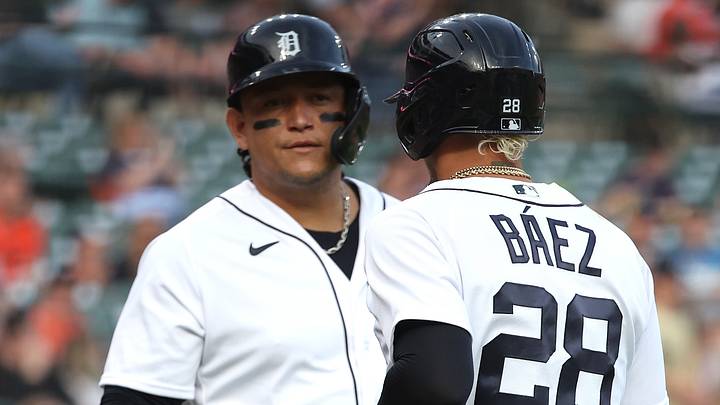
Back in 2014, Mike Ilitch preserved the core of yesterday by green-lighting a monstrous eight-year deal for Miguel Cabrera extension worth $248 million that began in 2016, and unfortunately aged poorly almost instantly. Most of us didn't blame him for the deal because aggression was simply former GM Dave Dombrowski's style, but Ilitch himself fired Dombrowski during a 2015 season that saw Detroit finish in fifth place for the first time since 2003.
Add in the horrendous contract offered to Victor Martinez after his runner-up AL MVP 2014 season, and how much money the Tigers ended up having to eat from the Justin Verlander and Prince Fielder contracts, and you have a team set to mire in mediocrity, or worse, for the following five years after that competitive window closes.
The Tigers sold off any assets they could once Mr. I passed away, leaving the Red Wings and Tigers in the hands of his more-passive son, Chris. Since taking over, the younger Ilitch has been extremely controlling with funds, but despite the illusion of competitive intent, allowed Al Avila to continue calling the shots all the way until September 2022. It was clear Avila was simply Ilitch's fall guy to offload salary and fire him the second anything went wrong, as evidenced by this being exactly what happened.
The offseason before Avila was fired, he convinced Ilitch to sign off on a six-year pact for Javier Báez worth a total value of $140 million. Currently, the Báez deal is the only major pact the Tigers have left from that era, but is currently preventing the team from making bigger pacts, because of Harris' aversion to eating that much payroll. The deal is set to expire at the end of 2027, but the damage is done for this offseason.
Savviness, and hope for the future
Since Harris took over, in order to inject the organization with competitiveness again, the focus has shifted toward modernizing the drafting and minor league development. As a result, we have a far better major league core than at any point in Avila's tenure, but the bottom of the order and bench often still leave a lot to be desired, as the prospects aren't all here yet.
With the recent Ha-Seong Kim deal, which would otherwise look like a good choice to improve a weak infield defense, fans and writers alike speculate who might be moved to justify the signing, but most agree that moving Báez's contract is going to be extremely difficult, even with the payroll floor a distinct possibility.
But, on the positive side, it's inspired excellent contracts like the recent Troy Melton deal, which is full of incentives, and gives the team room to spend if he regresses deeper in the deal. Even Emilio Pagán's deal is laden with incentives that probably got the deal done. This is a tactic the Tigers learned through this hardship that they should absolutely continue as other deals fall off.
Even so, we aren't certain that Ilitch's passivity is going to stop simply because the deals of the past are concluding. The damage is done, and the Tigers haven't signed a long-term free agent contract since Báez's deal. If the Tigers can play some high-level baseball in 2027, with the payroll flexibility they've accomplished, here's to hoping the front office will have to freedom to spend, within reason, going forward.
 Add us as a preferred source on Google