%20%20--%3E%0A%3Csvg%20version%3D%221.1%22%20xmlns%3D%22http%3A%2F%2Fwww.w3.org%2F2000%2Fsvg%22%20xmlns%3Axlink%3D%22http%3A%2F%2Fwww.w3.org%2F1999%2Fxlink%22%20x%3D%220px%22%20y%3D%220px%22%0A%09%20viewBox%3D%220%200%201264.4%20200%22%20style%3D%22enable-background%3Anew%200%200%201264.4%20200%3B%22%20xml%3Aspace%3D%22preserve%22%3E%0A%3Cstyle%20type%3D%22text%2Fcss%22%3E%0A%09.st0%7Bfill%3A%23231F20%3B%7D%0A%09.st1%7Bfill%3A%230C2340%3B%7D%0A%09.st2%7Bfill%3A%23FA4616%3B%7D%0A%09.st3%7Bfill%3A%23FFFFFF%3B%7D%0A%3C%2Fstyle%3E%0A%3Cg%20id%3D%22Template%22%3E%0A%3C%2Fg%3E%0A%3Cg%20id%3D%22Layer_2%22%3E%0A%09%3Cg%3E%0A%09%09%3Cpath%20class%3D%22st2%22%20d%3D%22M58.4%2C131.6v-23.4l-10.1%2C23.4H29.6l-10.2-23.4v23.4H0V76.7h23.5l16.3%2C34.1L56%2C76.7h22v54.9H58.4z%22%2F%3E%0A%09%09%3Cpath%20class%3D%22st2%22%20d%3D%22M110.6%2C131.6c-3.9%2C0-7.2-0.2-9.9-0.5c-2.7-0.4-4.8-1-6.4-2c-1.6-0.9-2.8-2.3-3.5-4c-0.7-1.7-1.1-3.9-1.1-6.6%0A%09%09%09V89.9c0-2.7%2C0.4-4.9%2C1.1-6.6c0.7-1.7%2C1.9-3.1%2C3.6-4c1.7-1%2C3.8-1.6%2C6.5-2c2.7-0.3%2C5.9-0.5%2C9.8-0.5h27.8c3.9%2C0%2C7.2%2C0.2%2C9.9%2C0.5%0A%09%09%09c2.7%2C0.3%2C4.9%2C1%2C6.5%2C2c1.7%2C1%2C2.8%2C2.3%2C3.6%2C4c0.7%2C1.7%2C1.1%2C3.9%2C1.1%2C6.6v28.6c0%2C2.8-0.4%2C5-1.1%2C6.7c-0.7%2C1.7-1.9%2C3-3.6%2C4%0A%09%09%09c-1.7%2C1-3.8%2C1.6-6.5%2C2c-2.7%2C0.3-6%2C0.5-9.9%2C0.5H110.6z%20M138.7%2C94.4c0-1.4-0.4-2.4-1.2-2.9c-0.8-0.5-2.5-0.8-4.9-0.8h-15.8%0A%09%09%09c-2.3%2C0-3.9%2C0.2-4.8%2C0.7c-0.9%2C0.5-1.3%2C1.5-1.3%2C3v19.5c0%2C1.4%2C0.4%2C2.4%2C1.2%2C2.9c0.8%2C0.6%2C2.4%2C0.8%2C5%2C0.8h15.8c2.4%2C0%2C4.1-0.3%2C4.9-0.8%0A%09%09%09c0.8-0.5%2C1.2-1.5%2C1.2-2.9V94.4z%22%2F%3E%0A%09%09%3Cpath%20class%3D%22st2%22%20d%3D%22M187.7%2C131.6V90.7h-19.9V76.7h60.8v13.9h-19.8v40.9H187.7z%22%2F%3E%0A%09%09%3Cpath%20class%3D%22st2%22%20d%3D%22M257.9%2C131.6c-3.9%2C0-7.2-0.2-9.9-0.5c-2.7-0.4-4.8-1-6.4-2c-1.6-0.9-2.8-2.3-3.5-4c-0.7-1.7-1.1-3.9-1.1-6.6%0A%09%09%09V89.9c0-2.7%2C0.4-4.9%2C1.1-6.6c0.7-1.7%2C1.9-3.1%2C3.6-4c1.7-1%2C3.8-1.6%2C6.5-2s5.9-0.5%2C9.8-0.5h27.8c3.9%2C0%2C7.2%2C0.2%2C9.9%2C0.5%0A%09%09%09c2.7%2C0.3%2C4.9%2C1%2C6.5%2C2c1.7%2C1%2C2.8%2C2.3%2C3.6%2C4c0.7%2C1.7%2C1.1%2C3.9%2C1.1%2C6.6v28.6c0%2C2.8-0.4%2C5-1.1%2C6.7c-0.7%2C1.7-1.9%2C3-3.6%2C4%0A%09%09%09c-1.7%2C1-3.8%2C1.6-6.5%2C2c-2.7%2C0.3-6%2C0.5-9.9%2C0.5H257.9z%20M285.9%2C94.4c0-1.4-0.4-2.4-1.2-2.9c-0.8-0.5-2.5-0.8-4.9-0.8H264%0A%09%09%09c-2.3%2C0-3.9%2C0.2-4.8%2C0.7c-0.9%2C0.5-1.3%2C1.5-1.3%2C3v19.5c0%2C1.4%2C0.4%2C2.4%2C1.2%2C2.9c0.8%2C0.6%2C2.4%2C0.8%2C5%2C0.8h15.8c2.4%2C0%2C4.1-0.3%2C4.9-0.8%0A%09%09%09c0.8-0.5%2C1.2-1.5%2C1.2-2.9V94.4z%22%2F%3E%0A%09%09%3Cpath%20class%3D%22st2%22%20d%3D%22M363.3%2C131.6v-14.9c0-1.3-0.3-2.2-1-2.8c-0.7-0.6-2-0.9-4.1-0.9h-18.8v18.7h-20.9V76.7h46.4%0A%09%09%09c3.9%2C0%2C7.1%2C0.2%2C9.5%2C0.7c2.5%2C0.4%2C4.4%2C1.2%2C5.8%2C2.2c1.4%2C1%2C2.3%2C2.4%2C2.9%2C4c0.5%2C1.7%2C0.8%2C3.7%2C0.8%2C6.2v8.6c0%2C2.4-0.5%2C4.3-1.6%2C5.7%0A%09%09%09c-1.1%2C1.4-2.5%2C2.3-4.3%2C2.8c1.6%2C0.4%2C3%2C1.2%2C4.3%2C2.5c1.3%2C1.3%2C1.9%2C3.1%2C1.9%2C5.3v16.8H363.3z%20M363.3%2C93.9c0-1.1-0.2-1.9-0.7-2.4%0A%09%09%09c-0.5-0.6-1.6-0.8-3.3-0.8h-20v9.7h20c1.8%2C0%2C2.9-0.3%2C3.4-0.9c0.4-0.6%2C0.6-1.6%2C0.6-2.8V93.9z%22%2F%3E%0A%09%09%3Cpath%20class%3D%22st2%22%20d%3D%22M447.5%2C131.6c-3.9%2C0-7.2-0.2-9.9-0.5c-2.7-0.4-4.9-1-6.5-2c-1.7-1-2.9-2.3-3.6-4c-0.7-1.7-1.1-3.9-1.1-6.6%0A%09%09%09V89.9c0-2.7%2C0.4-4.8%2C1.1-6.6c0.7-1.7%2C1.9-3.1%2C3.6-4c1.7-1%2C3.8-1.6%2C6.5-2c2.7-0.4%2C6-0.5%2C9.9-0.5h42.2v13.9h-36.2%0A%09%09%09c-2.2%2C0-3.8%2C0.3-4.6%2C0.9c-0.9%2C0.6-1.3%2C1.5-1.3%2C2.8v19.5c0%2C2.5%2C2%2C3.7%2C6%2C3.7h36.2v13.9H447.5z%22%2F%3E%0A%09%09%3Cpath%20class%3D%22st2%22%20d%3D%22M500.8%2C131.6V76.7h20.9v54.9H500.8z%22%2F%3E%0A%09%09%3Cpath%20class%3D%22st2%22%20d%3D%22M551.2%2C131.6V90.7h-19.9V76.7h60.8v13.9h-19.8v40.9H551.2z%22%2F%3E%0A%09%09%3Cpath%20class%3D%22st2%22%20d%3D%22M621%2C131.6v-23.2L598%2C76.7h26.1l8.5%2C14.3l8.6-14.3h24.5l-23.9%2C31.6v23.2H621z%22%2F%3E%0A%09%3C%2Fg%3E%0A%09%3Cg%3E%0A%09%09%3Cpath%20class%3D%22st3%22%20d%3D%22M775.3%2C102.1c-1.2-1.7-2.7-3.4-4.1-4.8c9.2-1.7%2C18.1-5.8%2C25.4-11.6c12.8-10.4%2C19.1-24.9%2C19.1-38.4%0A%09%09%09c0-44-52.4-56.5-84.3-40.8c-9.2%2C4.6-17.1%2C11.1-23.2%2C19.1c-9.2%2C11.8-22%2C41.8%2C8.7%2C38.7C691.2%2C20%2C782.3-9.2%2C790.5%2C38.1%0A%09%09%09c0.5%2C2.4%2C0.7%2C4.6%2C0.7%2C6c0%2C20.5-20.1%2C34.8-37.7%2C28.3c8.2-14.5%2C8.2-21.3%2C7.5-26.8c-1-10.6-13.5-13.8-13.5-13.8l-7%2C12.3l-13.3%2C23%0A%09%09%09l-17.6%2C29.7c-0.5%2C0.7-1%2C1.4-1.2%2C2.2c-23.4-0.7-41.1%2C15.5-43.7%2C38.7c-3.9%2C34.5%2C29%2C55.3%2C58%2C55.3c35.5%2C0%2C62.6-29.2%2C62.6-59.9%0A%09%09%09c0-10.4-2.9-20.8-9.9-30.7V102.1z%20M755%2C126.8c-2.7%2C32.6-47.3%2C59.4-72.5%2C26.8c-7.2-9.4-1.9-32.9%2C17.9-40.1l1.4%2C0.2%0A%09%09%09c-6.3%2C19.3-2.2%2C36%2C22.2%2C33.1c-2.9-11.4-0.2-20.5%2C16.2-50.5v-0.2c1.9%2C0.7%2C3.9%2C1%2C5.8%2C1.2C754.2%2C106.5%2C755.7%2C117.1%2C755%2C126.8z%22%2F%3E%0A%09%09%3Cpath%20class%3D%22st3%22%20d%3D%22M1256.4%2C92c-2.3%2C0-5%2C0.8-7.7%2C3.1c-4.6%2C4.1-5.2%2C11.4-3.7%2C17.6c0.5%2C2.3%2C0.6%2C4.2%2C0.9%2C6.3%0A%09%09%09c-3.4%2C3.4-7.1%2C6.4-10.8%2C8.6c-0.4-6.4-3.1-11.8-6.6-17.4c-3.9-6-4.1-12.8-2.3-19.3c3.7-14.5%2C8.9-0.6%2C6.2%2C2.7%0A%09%09%09c14.3-4.6%2C8.1-19.3-0.8-21.1c-17.4-3.3-28.2%2C19.1-19.5%2C31.9c7.3%2C10.8%2C6.4%2C27.8-6.2%2C27.2c-6.8-0.3-12.2-4.9-12.4-17.8%0A%09%09%09c1.9-5.2%2C2.5-9.7%2C1.1-12.3c-0.1%2C0.4-0.2%2C0.7-0.3%2C1.1c0.1-0.4%2C0.1-0.7%2C0.1-1.1c-4.1%2C4.2-7%2C9.8-8.7%2C16c-12.4%2C14-32.2%2C22.5-22.3%2C0.8%0A%09%09%09l0.2-0.2l42.1-72.7c10.2-17.6%2C7.7-27-4.6-32.7l-12.2%2C21.4l-45.2%2C78.1c-0.9%2C1.5-1.9%2C3.6-2.9%2C5.8c-12.5%2C13.6-31.5%2C21.5-21.7%2C0.2%0A%09%09%09l0.2-0.2l9.7-16.6c10.2-17.6%2C7.7-27.1-4.6-32.7l-11.8%2C20.7c-7.4-32.8-52.3-13.2-64.6%2C23.1c-8.5%2C11.6-24.4%2C21.2-29.4%2C18.4%0A%09%09%09c5.8-11.4%2C12.6-24.7%2C18.6-37.9c3.3-6.6%2C4.4-10%2C4.1-13.3c-0.8-8.5-10.8-11-10.8-11l-2.3%2C3.9c-3.1%2C4.6-6.2%2C10.1-9.5%2C16%0A%09%09%09c-8-31.6-52.4-11.8-64.5%2C24.4c-11.7%2C16.4-37%2C29.2-26%2C5.4l0.2-0.2c6.2-11.6%2C12.6-22.4%2C8.7-35c-2.5-8.1-11-12-18.6-12%0A%09%09%09c-6.6%2C0-12.8%2C3.9-18.4%2C9.5c-0.2-0.4-0.2-0.6-0.2-1c-0.8-8.5-10.8-11-10.8-11l-12.2%2C21.4l-6.7%2C11.3c0-0.1%2C0-0.2-0.1-0.3%0A%09%09%09c-0.3%2C0.8-0.7%2C1.4-1%2C2.1l-5.3%2C8.9c-0.7%2C1.1-1.2%2C2.3-1.8%2C3.5c-19.6%2C27.2-47.9%2C21.7-45%2C0.2c16.2%2C6.2%2C39-10%2C36.9-30.1%0A%09%09%09c-1-7.5-7-11.6-14.9-12.8c-9.1-1.3-21.1%2C4.6-30.3%2C15.1c-19.5%2C21.6-22.8%2C65.3%2C13.1%2C65.3c9.3%2C0%2C22.3-3.5%2C33.9-16.9%0A%09%09%09c-0.3%2C10.2%2C4.9%2C17.5%2C19.6%2C15.8c0.2-7.1%2C1.7-13.7%2C3.7-19.7c2.9-6.4%2C26.7-57.8%2C39.4-52c4.6%2C2.9%2C0.4%2C10.6-0.6%2C12.4%0A%09%09%09c-9.5%2C18-29.8%2C45.2-9.7%2C57.6c13.6%2C8.1%2C32.3-8%2C43.2-24.3c-1%2C14.9%2C7.5%2C26.8%2C22.4%2C26.8c4.1%2C0%2C7.7-1%2C11.4-2.7l-5.4%2C8.9%0A%09%09%09c-22.2%2C36.1-41.4%2C26.1-74.6%2C12.2c-13.5-5.6-24.5-6.6-32.7-4.2c-17.2%2C4.6-22.2%2C22.4-15.5%2C32.8c15.5-23%2C44.4-9.7%2C71.1-3.1%0A%09%09%09c45.2%2C11.2%2C61.1-11.6%2C82.1-50.1c12.1%2C4.2%2C26-7%2C34.8-19.7c-0.5%2C14.4%2C7.9%2C25.7%2C22.5%2C25.7c9.9%2C0%2C18.6-5.8%2C25.5-12.8%0A%09%09%09c1.2%2C3.9%2C3.7%2C7.5%2C8.3%2C10.2c11.1%2C6.6%2C25-2.8%2C35.3-15.4c0.2%2C5.7%2C2.4%2C11.3%2C9%2C15.4c12.4%2C7.4%2C28.2-5.2%2C38.6-19.7%0A%09%09%09c0.4%2C13.6%2C7%2C25.9%2C21.7%2C25.9c2.3%2C0%2C5.2-0.4%2C7.7-1.2c6.6-1.9%2C11.6-5.4%2C15.3-10.2c6.4-3.1%2C12.6-8.9%2C17.5-15.3%0A%09%09%09c-2.1%2C56.5-102.2%2C36-171.1%2C36c-34%2C0-62.4-3.3-58.9%2C32.7c50.6-35.8%2C236.1%2C13.5%2C239-66.1c0.2-3.5%2C0.2-7.3-0.2-11.4%0A%09%09%09C1270.3%2C102.8%2C1263.9%2C92%2C1256.4%2C92z%20M830.9%2C91c6.8-7.5%2C11.6-5.2%2C12-1c0.6%2C11.6-16%2C23-24.2%2C19.7C820.8%2C104.4%2C824.7%2C98%2C830.9%2C91z%0A%09%09%09%20M1009.9%2C105.7l-3.1%2C6.4c-7.1%2C3.3-10.6%2C8.3-11.2%2C13.7c-4.3%2C3.5-9.7%2C6-15.9%2C6c-8.5%2C0-5.6-10.6-3.7-15.5%0A%09%09%09C984%2C94.1%2C1018.9%2C62.6%2C1009.9%2C105.7z%20M1103.8%2C104.9l-3.3%2C5.6c0%2C0-0.2%2C0.2-0.2%2C0.4l-0.8%2C1.3l-1.7%2C3.1c-3.9%2C6.2-12%2C16.2-24.3%2C16.2%0A%09%09%09c-8.5%2C0-5.6-10.6-3.7-15.5C1077.7%2C94.1%2C1112.5%2C62.8%2C1103.8%2C104.9z%22%2F%3E%0A%09%3C%2Fg%3E%0A%3C%2Fg%3E%0A%3C%2Fsvg%3E%0A)

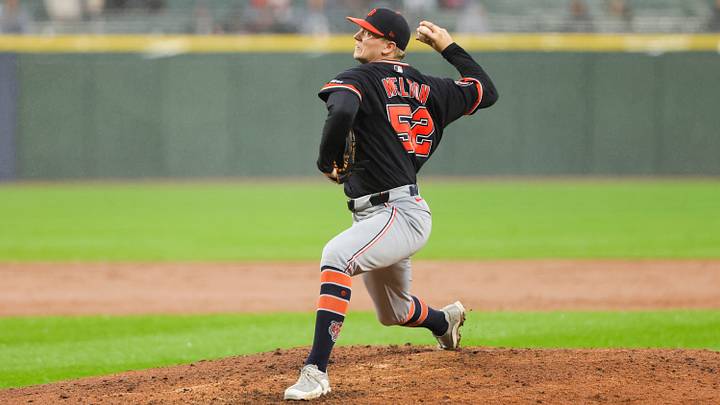
As the third major financial commitment of this offseason after Jacob Waguespack and Emilio Pagán, the Tigers completed a franchise-defining six-year, $46.5 million extension with Troy Melton, chock full of incentives and a seventh-year option.
For the first four years of Scott Harris' tenure as president of baseball operations, fans desperately wanted to see him make an investment in the future of this caliber. Many fans felt the Kevin McGonigle extension was the easiest decision he could've made and wasn't automatically a positive sign of things to come, but with this type of commitment to an exciting young arm like Melton, that narrative comes to a screeching halt.
Why this extension works, and what Melton's role for 2027 will be
A starting pitcher with an ERA near 5.00 and a terrible track record in terms of health was worth three years and $52.5 million to the Chicago White Sox. Melton was absolutely enthralling for the Tigers from his debut in late May, all the way until a minor skid toward the end of the season: 14 starts of unmitigated dominance, with an ERA well under 2.00. The Tigers just locked him up for two free agents years, and have the option to keep him for another year that.
"If Melton is so good, why would he have been willing to take this deal?" is the one question many fans might be drawn to. $7.75 million per year is chump change compared to the worst contracts on the open market. But, due to how arbitration works, Melton likely wouldn't even reach this salary tier until his age-28 season, but more realistically age-29, if he maintains this level of performance.
Now, Melton has his future concerns completely removed, with tons of performance incentives that lead to this contract actually being worth as much $14 million per season over seven years at the absolute peak.
This type of investment makes it extremely clear that Melton is the heir-apparent to the Opening Day nod in 2027, and that will be his position to lose through spring training and the summer months. Having this type of clarity allows Harris to focus on shorter term veteran starter deals, not locking themselves into the type of contract Tarik Skubal is pursuing, and preserving as much of the "Scott Harris core" as possible.
The framework for the future
Melton's contract is exactly how other financially savvy teams, like the Tampa Bay Rays and Milwaukee Brewers, have preserved their young core. But unlike those teams that often allow big free agents to walk if they don't make a decision on an extension soon enough, the Tigers realistically only have one proven commodity they can't live without with a free agency in the next four years: Riley Greene.
Every other significant piece of the core is going to be with the club until 2030, allowing the team to offer a significant number of these incentives-laden contracts to young guys like McGonigle and Melton. Taking Melton's contract as an example of how this could work, he is set to make $1 million (a marginal raise from the league minimum) in 2027 and 2028, but will see parabolic growth in his base salary until it hits $18.5 million in what would've otherwise been his first year of free agency. His seventh year club option is for $23 million, which is about what a consistent No. 2-4 starter makes per season right now.
Players likely to soon be considered for these types of extensions are: Max Clark, Zyhir Hope, Jackson Jobe, and potentially Drew Sommers. With the significant improvements made in recent years to the organization's drafting, minor league development, and emphasis on elevating pitcher talent at the major league level, there should be far less concern with the level of performance by prospects going forward.
The optimism this, and the burgeoning interest in offering savvy contracts to young studs, brings to the future of Tigers' baseball shouldn't be understated. With the CBA set to expire very shortly, the Tigers have shown a willingness to get ahead of the changing landscape of MLB free agency without sacrificing their willingness to pursue talent or their flexibility.
 Add us as a preferred source on Google